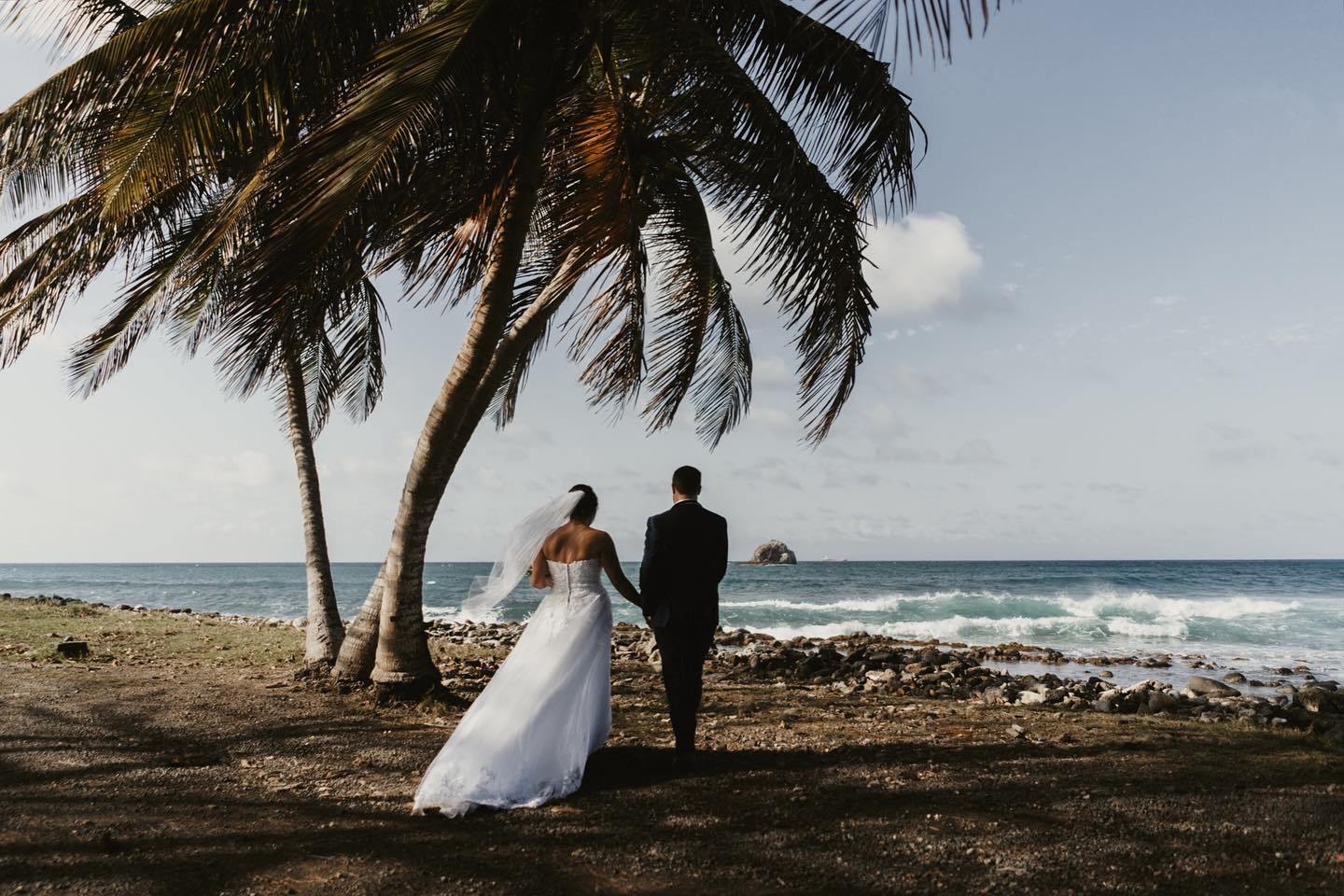
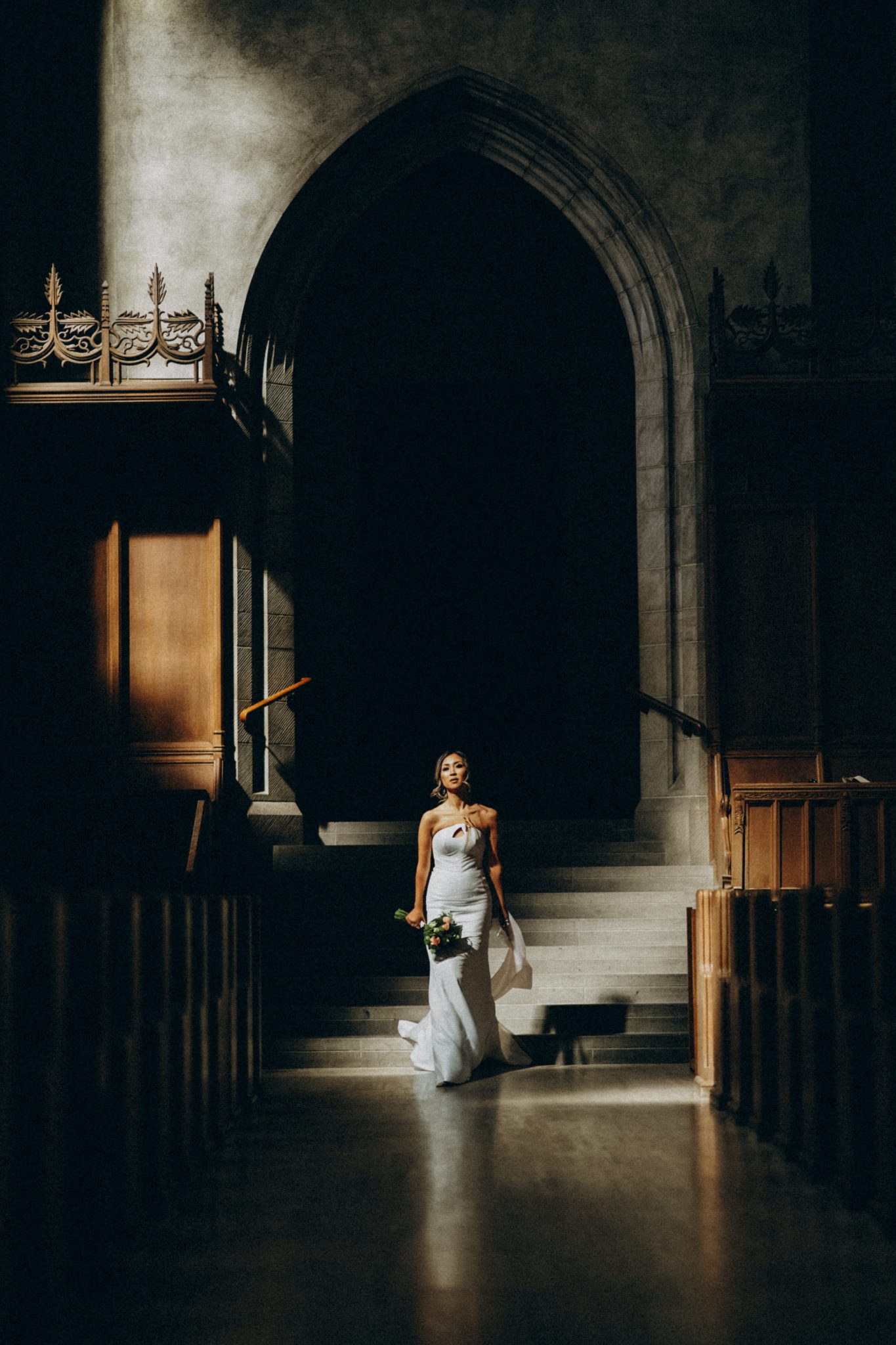
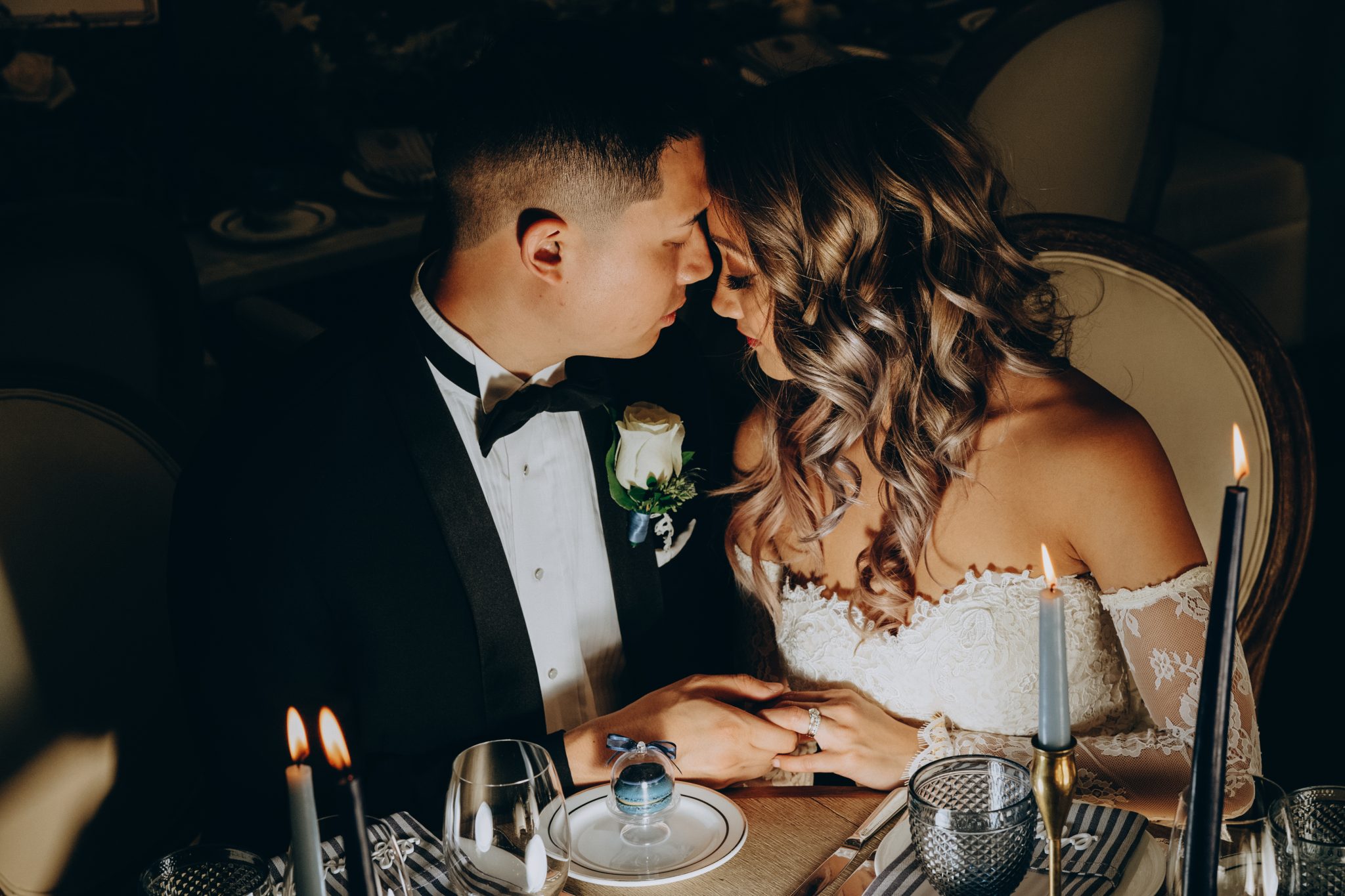
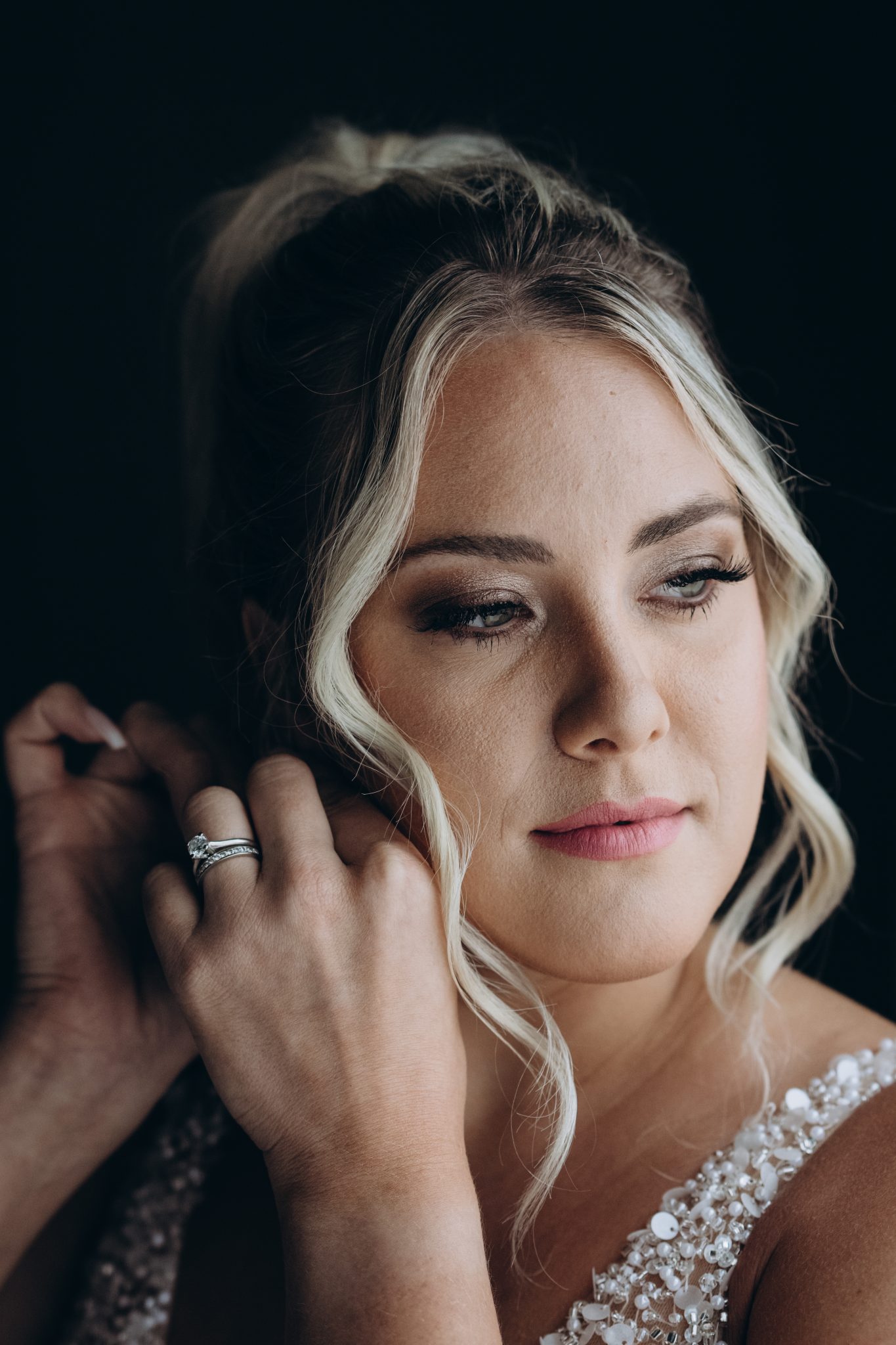
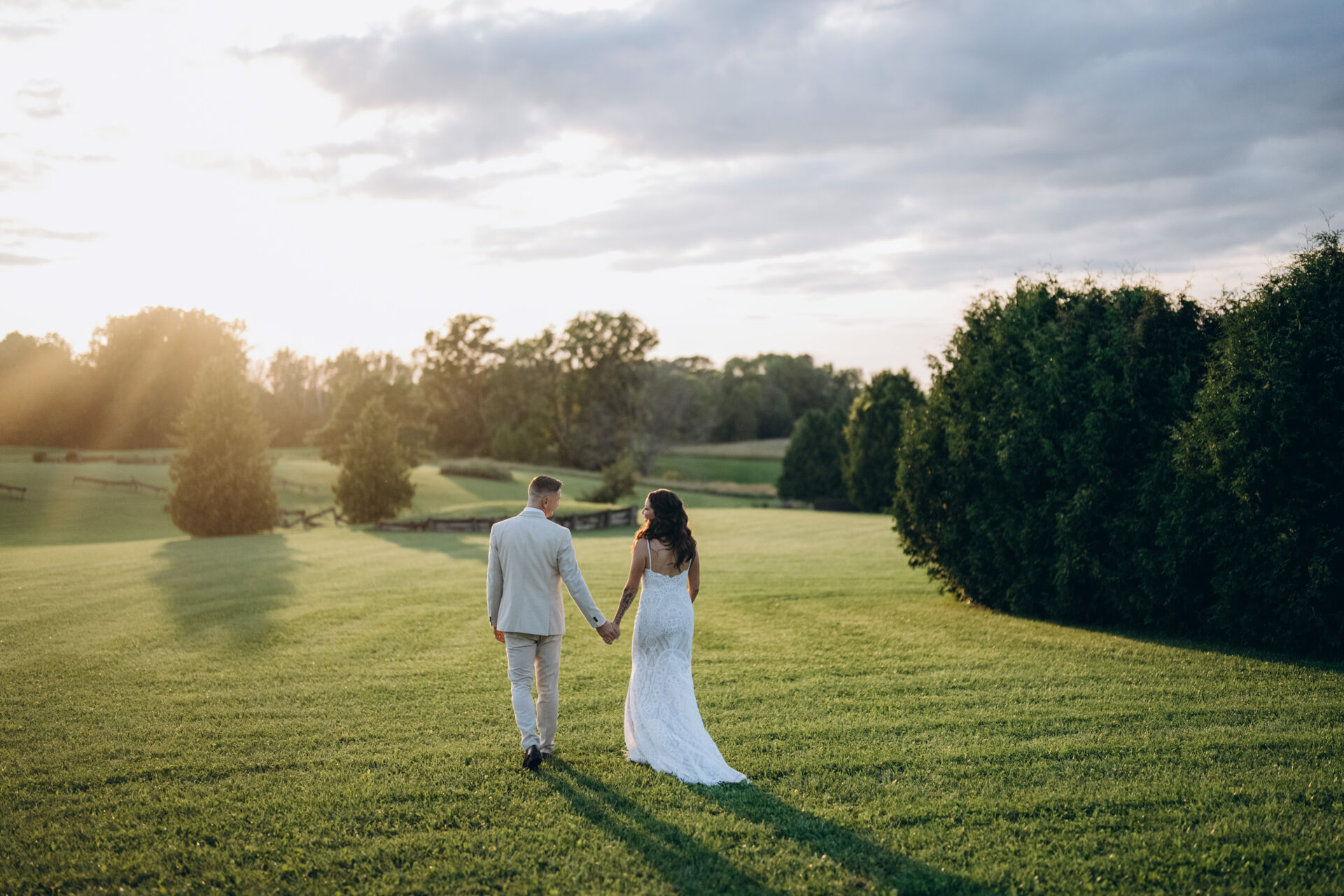
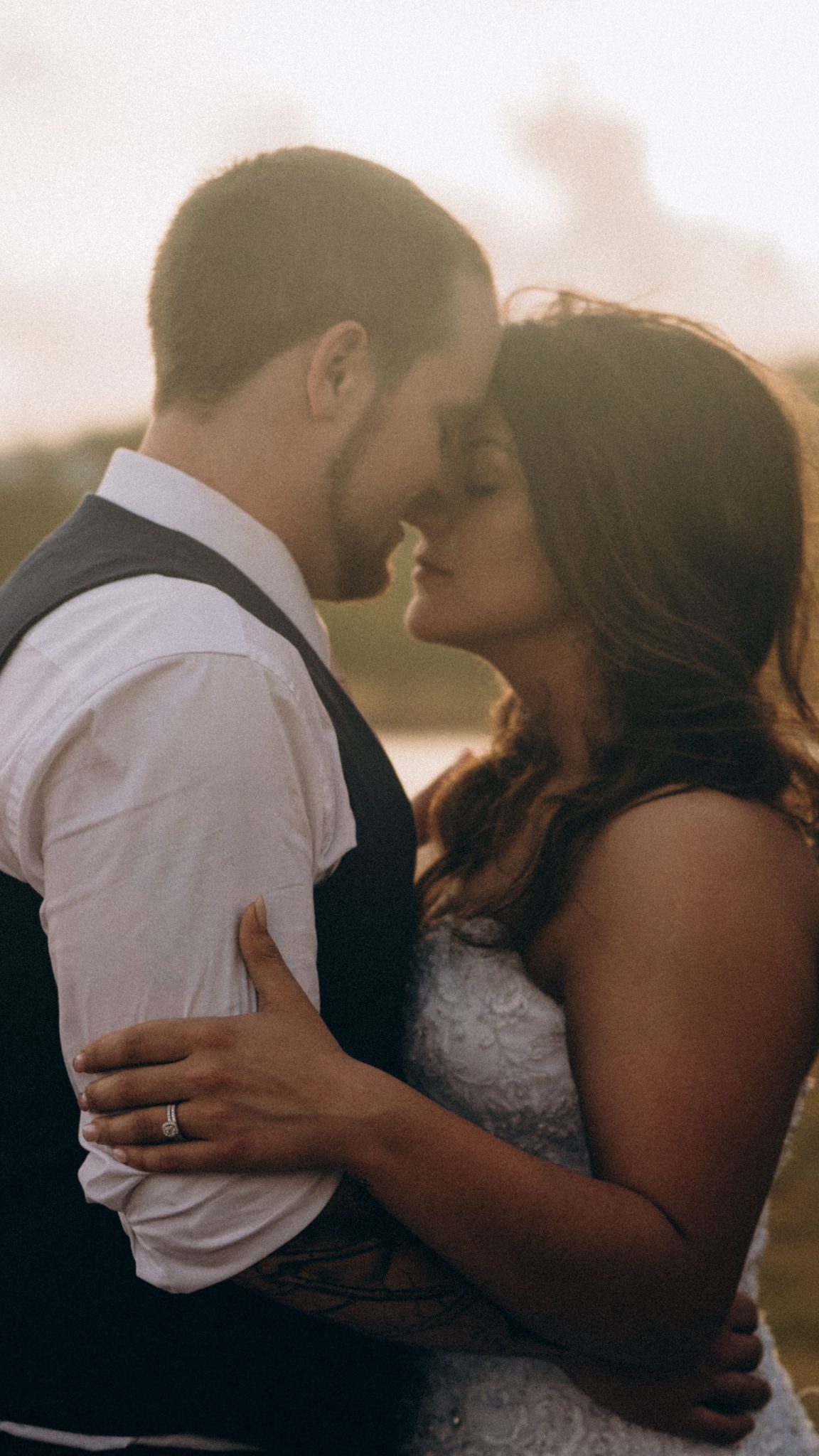
Santorini's visual challenge is the inverse of Rome's: where Rome has too much variety, Santorini has an iconic visual monoculture — the blue dome, the white cliff, the caldera sunset. Every couple who comes here has seen that image ten thousand times before their own wedding. Our task is to go beyond the postcard and find the specific, particular story that belongs only to their day.
We achieve this through scale shifts. The caldera wide-shot is necessary — it tells the viewer exactly where they are and why this place matters. But we spend most of our time at the other extreme: the close detail of the volcanic rock beneath bare feet, the condensation on a glass of Assyrtiko wine, the particular way a white dress moves against a white wall in the Aegean light. These intimate details, cut against the wide landscape shots, are what make a Santorini film feel like it belongs to a specific couple rather than a generic destination.
The light in Santorini is extreme. Midday is too harsh and contrasty for flattering film work. We plan all ceremony and couple filming to avoid the 11am-4pm window, concentrating instead on the early morning (when the caldera is mist-soft and the light is gentle) and the golden hour (which in Santorini is genuinely golden — the low sun, the white walls, the sea). The famous Oia sunset is real, and we are there for it every time.
Audio captures the specific Cycladic soundscape: the wind across the caldera, the bells of the Orthodox churches, the distant boat engine below, the chatter of a terrace dinner.