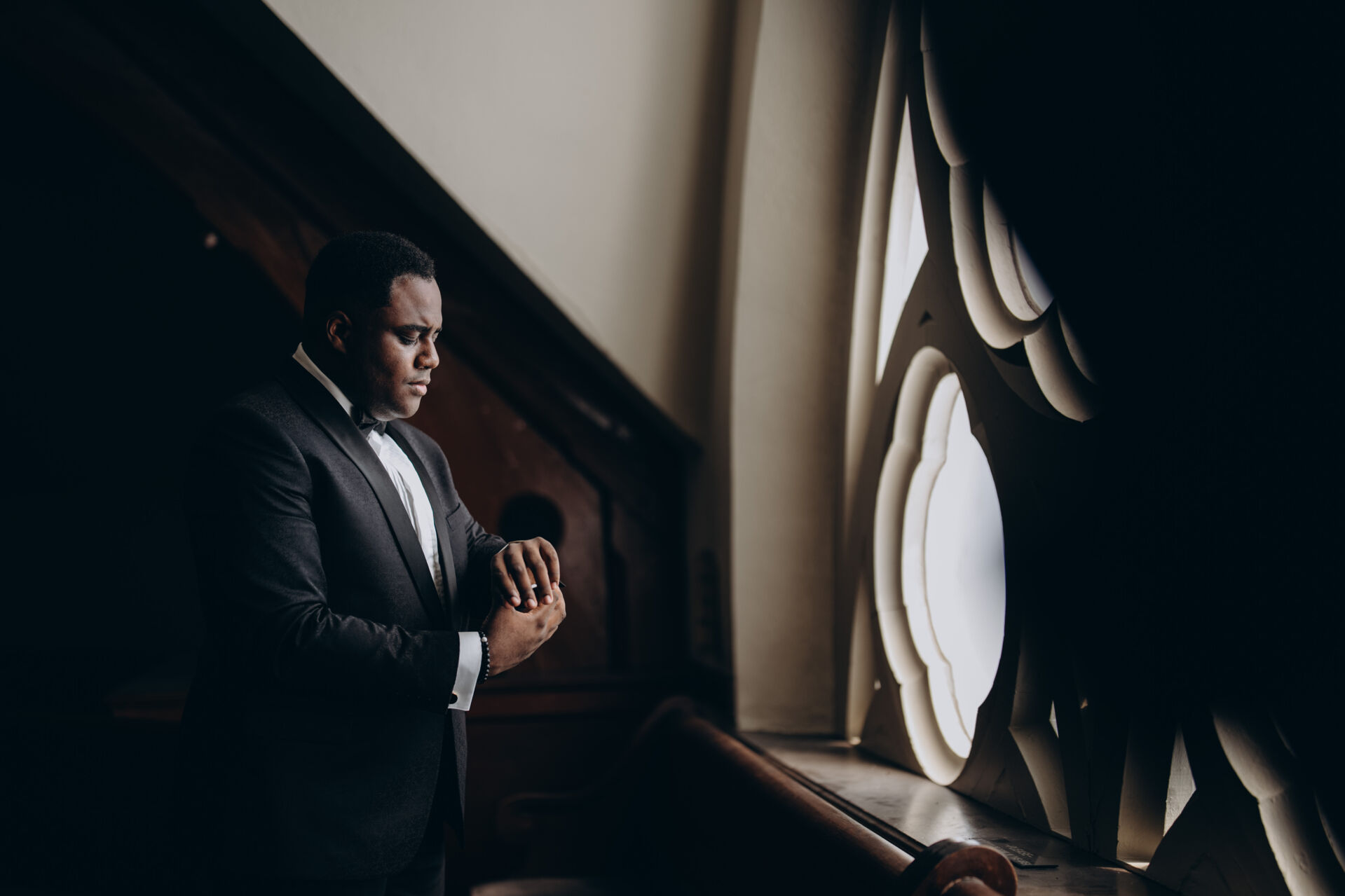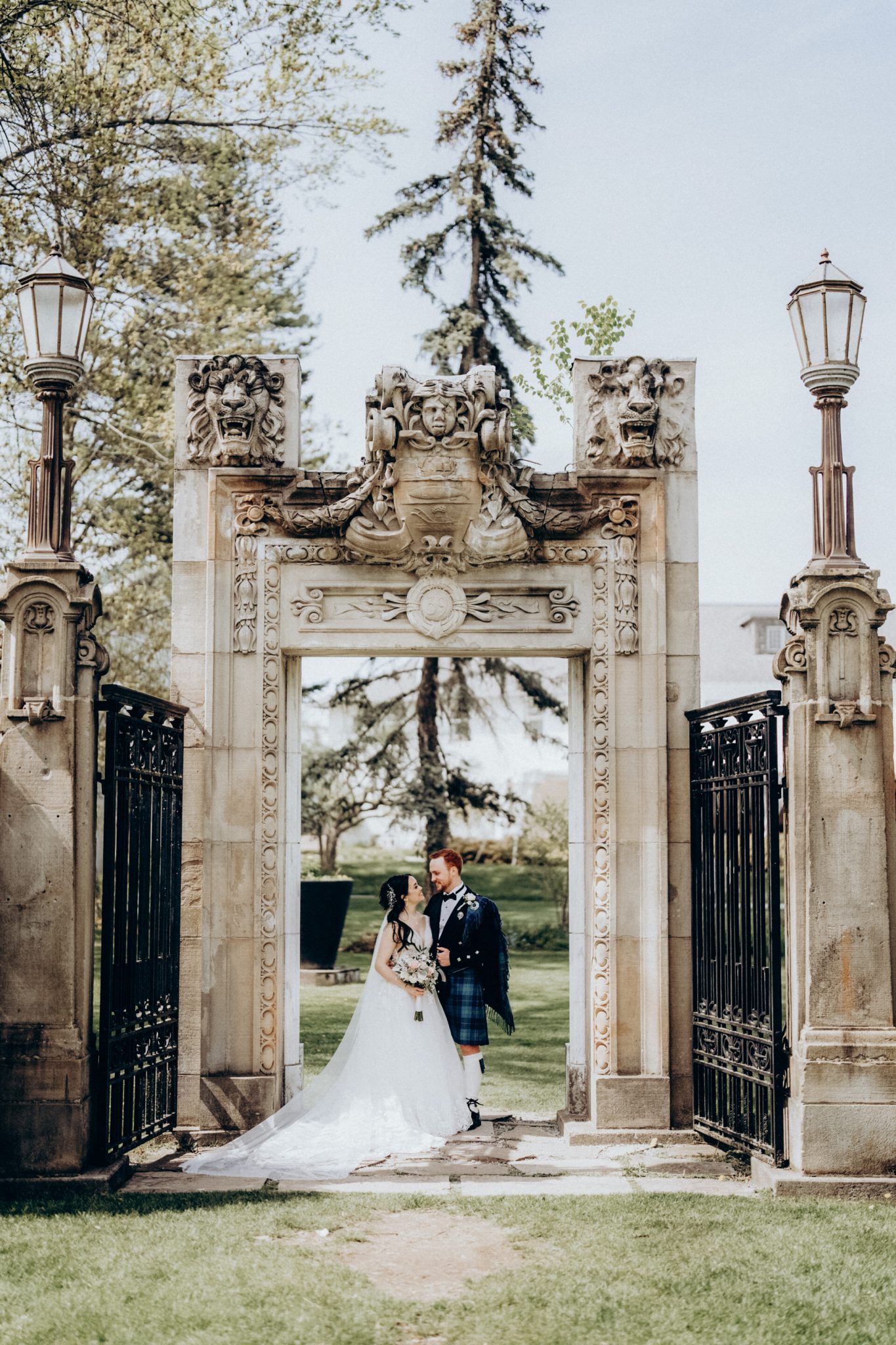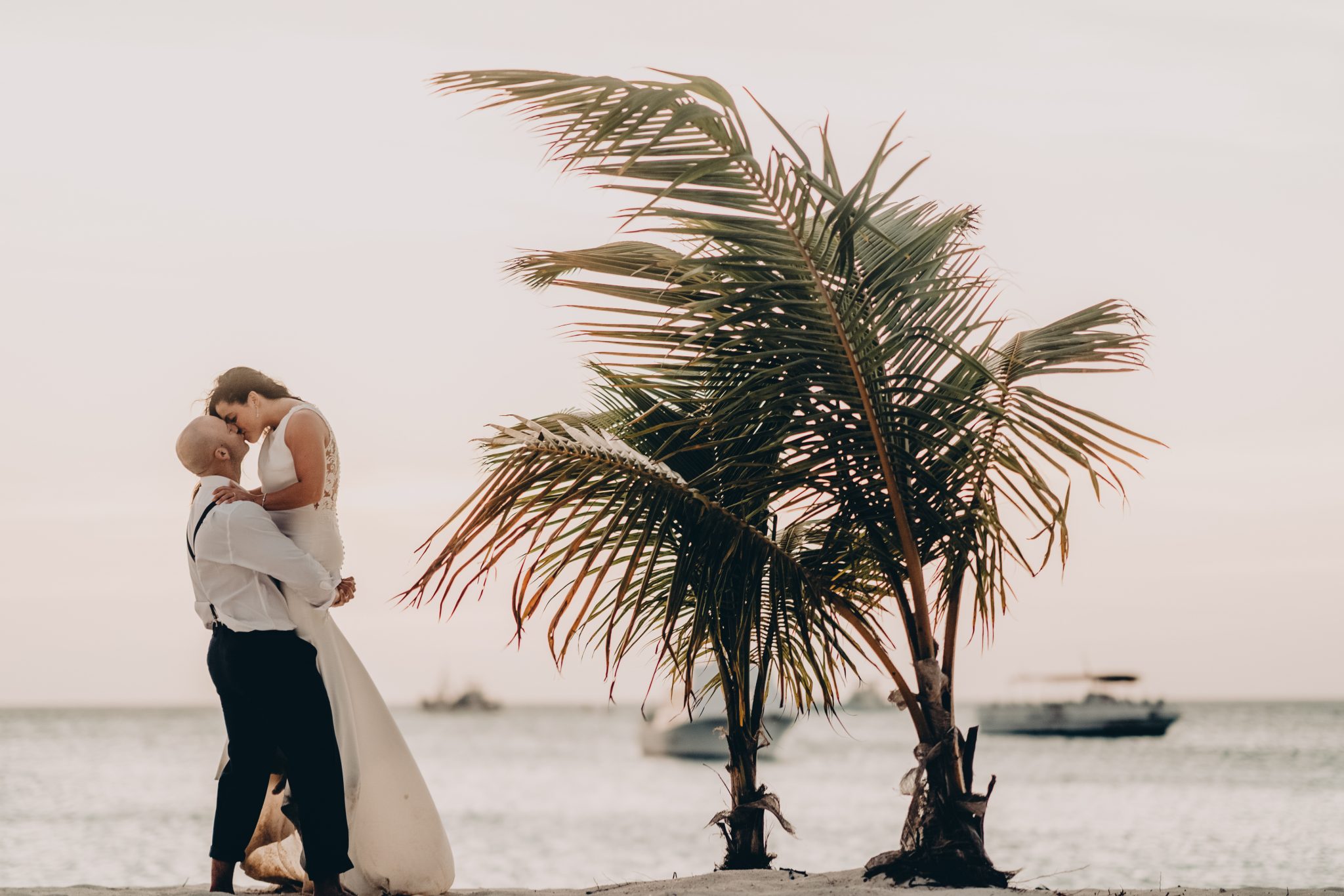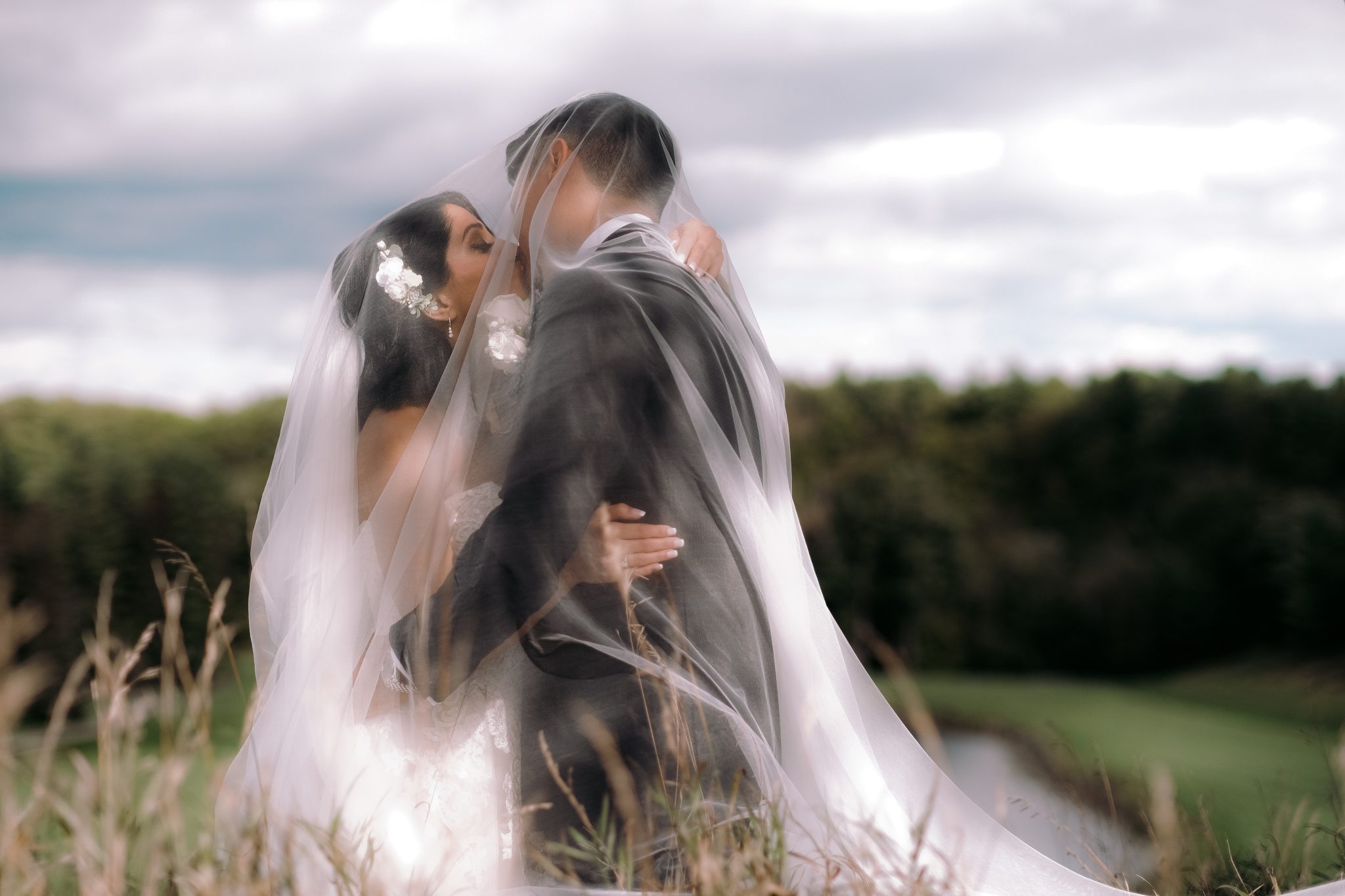



Delhi is where India's grandeur becomes architecture. Nowhere in the world can a wedding photographer work within a single kilometre of the Red Fort, Humayun's Tomb and Qutb Minar — three UNESCO World Heritage Sites whose sandstone and marble create photographic backdrops of staggering visual weight. The city's Mughal-era geometry — arched gateways, ornamental water channels, inlaid pietra dura work — provides formal, composed settings that elevate even straightforward portraiture.
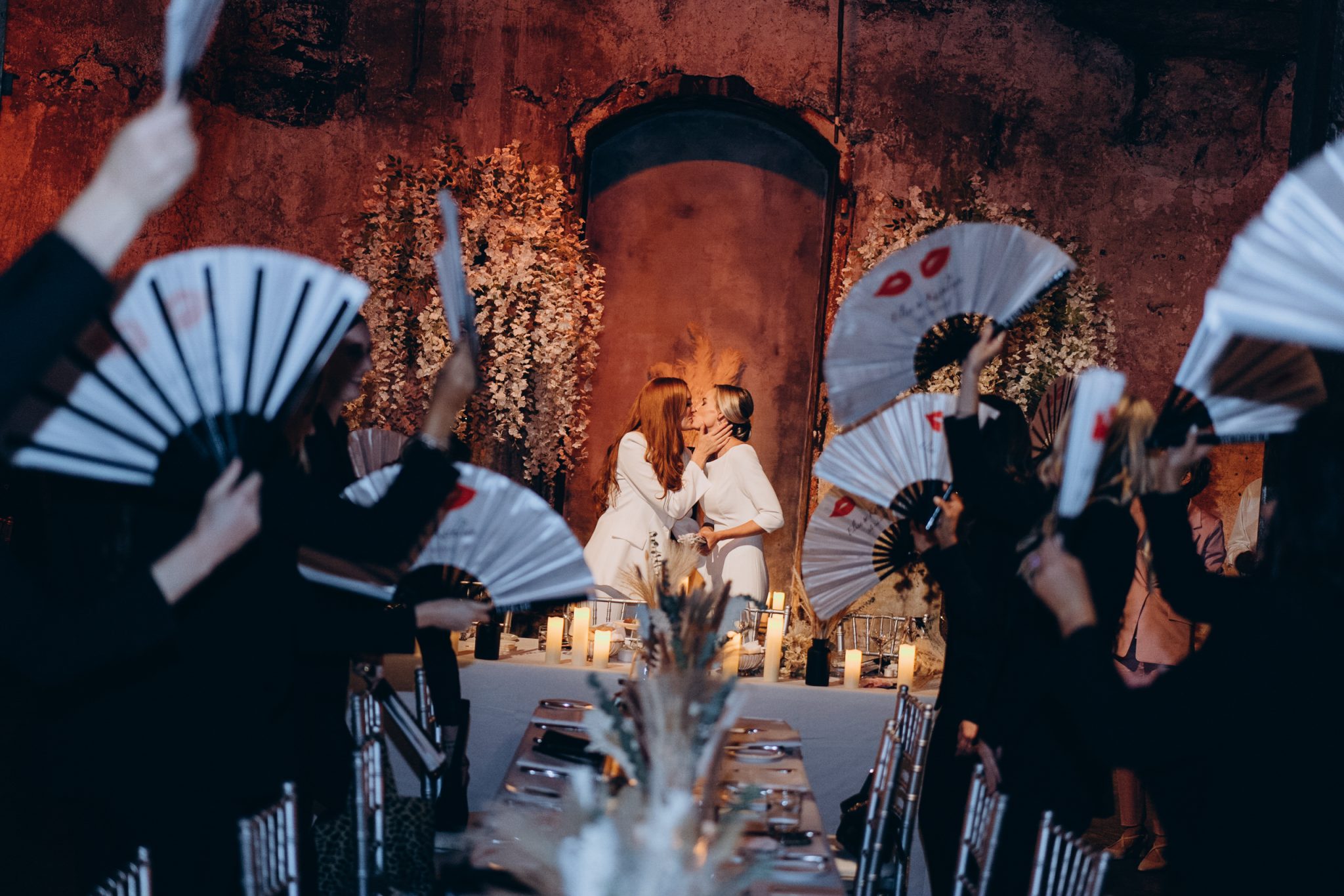
Beyond the monuments, Delhi's wedding culture is among the world's most visually elaborate. A traditional Indian wedding spans three to five days of ceremonies — the mehndi, sangeet, baraat procession, pheras and vidaai — each with its own colour palette, ritual detail and emotional register. For a documentary photographer, this is an extraordinary gift: five consecutive days of kaleidoscopic imagery in which no two moments repeat.
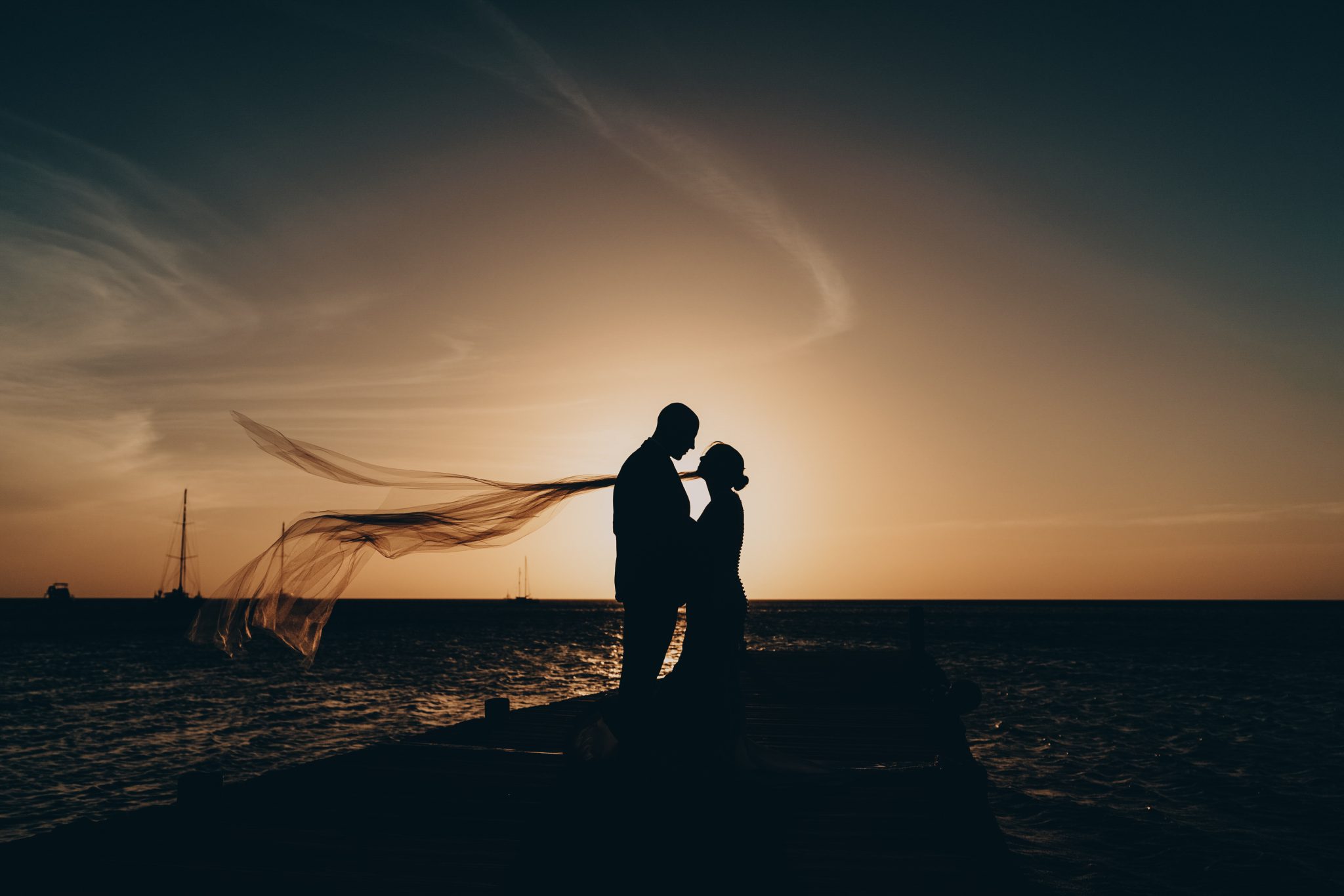
The city's light has a quality specific to North India: dense winter fog that diffuses December–January light into a silvery haze, and the intense orange dusk of October–November that turns red sandstone almost molten. Both conditions produce images that are immediately identifiable as Delhi — a specific visual identity that no studio approximation can replicate.