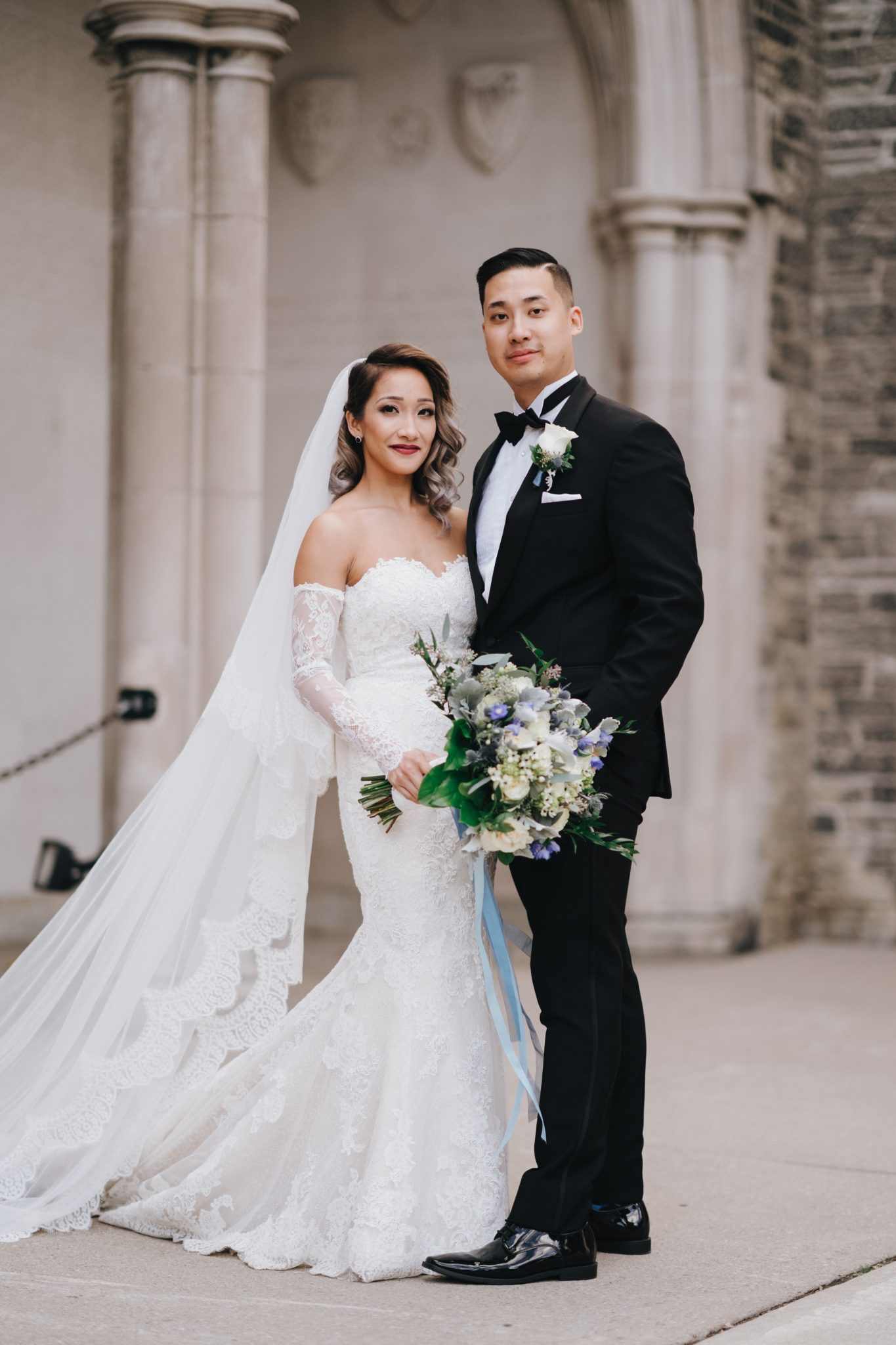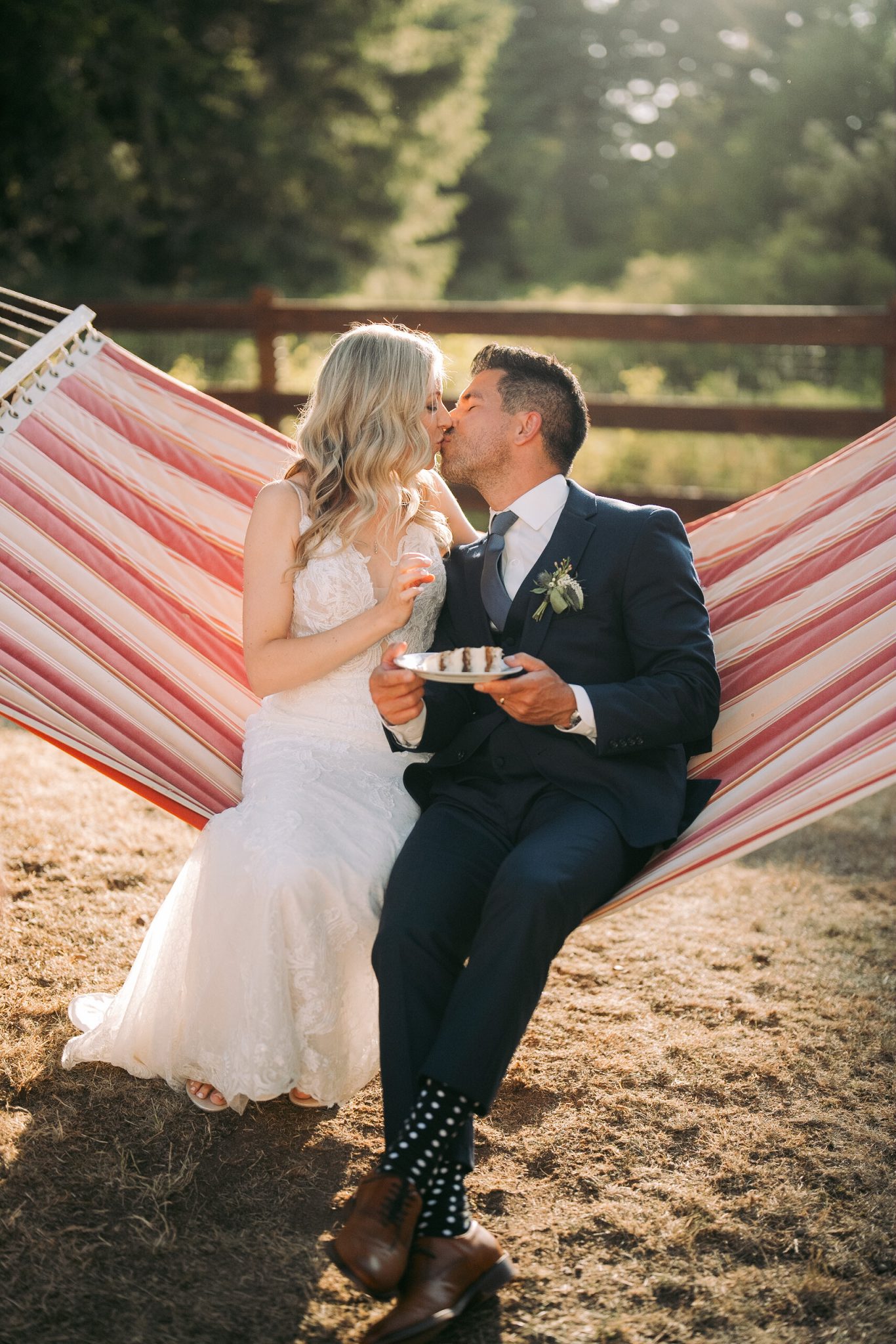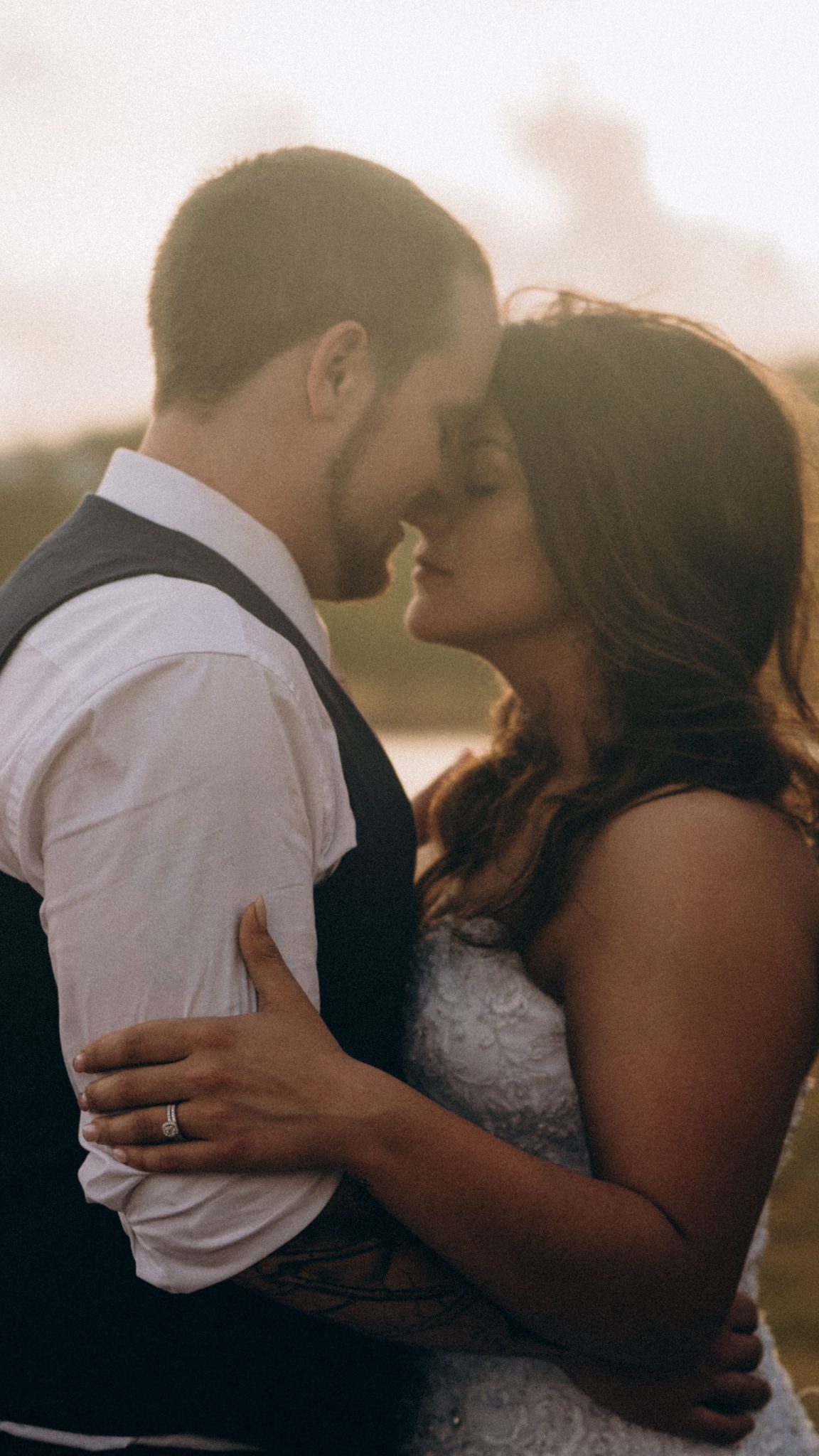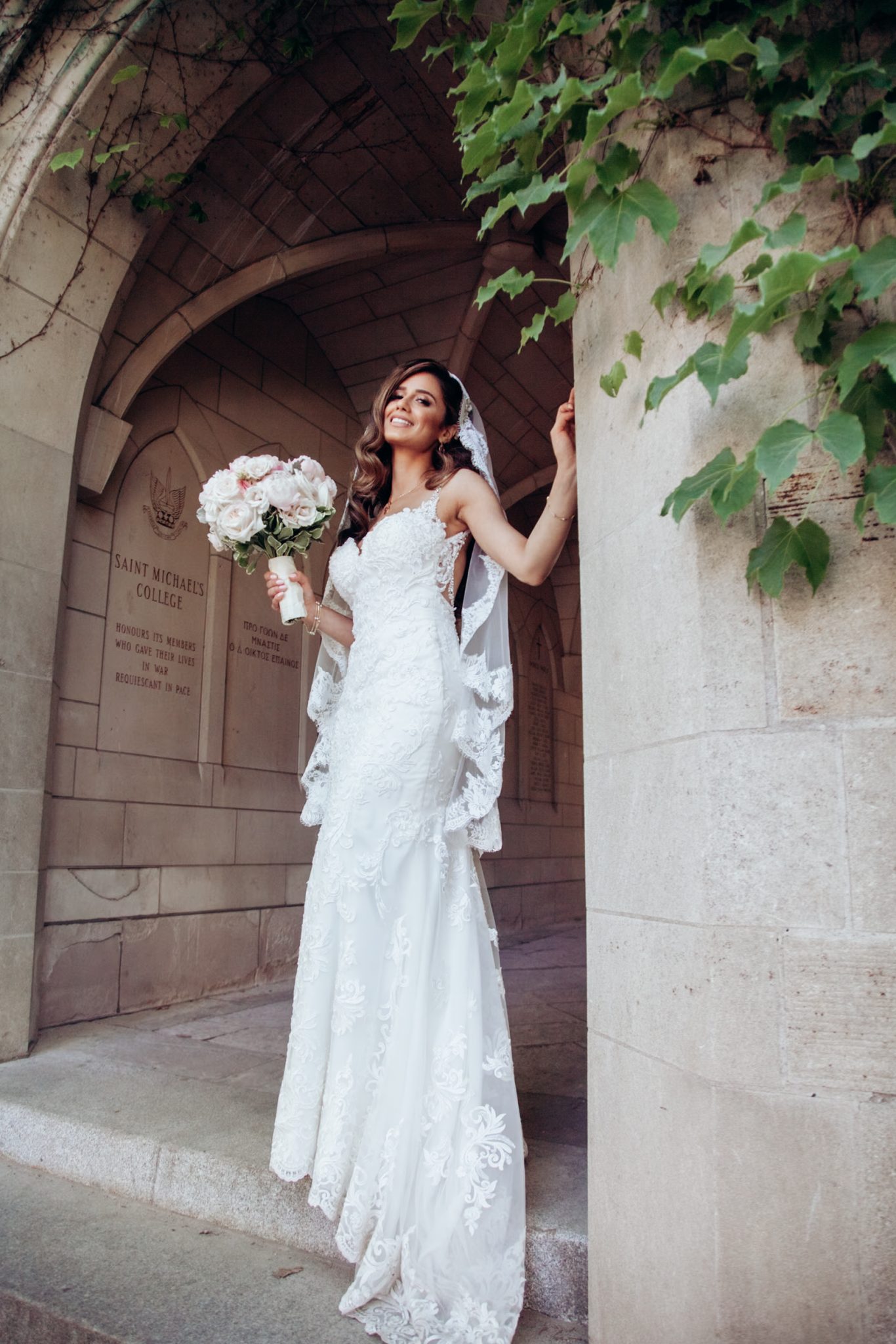

Rome is a city where the weight of history is physical. You cannot walk a hundred metres without encountering 2,000 years of accumulated beauty — a Roman arch incorporated into a medieval church, a Baroque fountain at the end of a Renaissance street, an ancient column rising between apartment buildings. For wedding photography, this layering of history is an extraordinary resource: it gives every image a depth and resonance that no newly built venue can provide.
The light in Rome has its own quality, specific to the Lazio plain. The city is built on volcanic tufa and ancient brick, and these warm-toned materials absorb and radiate light differently from the limestone of Florence or the marble of Venice. In the late afternoon — from about 4pm in spring, from 5pm in summer — Rome goes from warm to golden to amber in a progression that takes perhaps two hours. The Pincian Hill above the Borghese gardens, looking back over the city at 6pm on a clear October afternoon, is one of the most beautiful views I photograph anywhere in Europe.
The ceremony options in Rome are extraordinary: private villas on the ancient Appian Way, Baroque churches with frescoed interiors, civil ceremonies in the Campidoglio designed by Michelangelo, and private palazzo gardens in the historic centre.