Rome's challenge as a filming location is the same as its gift: there is almost too much. The density of historically and architecturally significant backdrops is unmatched by any city on earth — the Forum, the Pantheon, the Borghese gardens, the Trastevere lanes, the Baroque piazzas — all within a few kilometres of each other. A filmmaker without a clear point of view risks creating a greatest-hits reel; a filmmaker with genuine vision can use that density to build a film of extraordinary narrative richness.
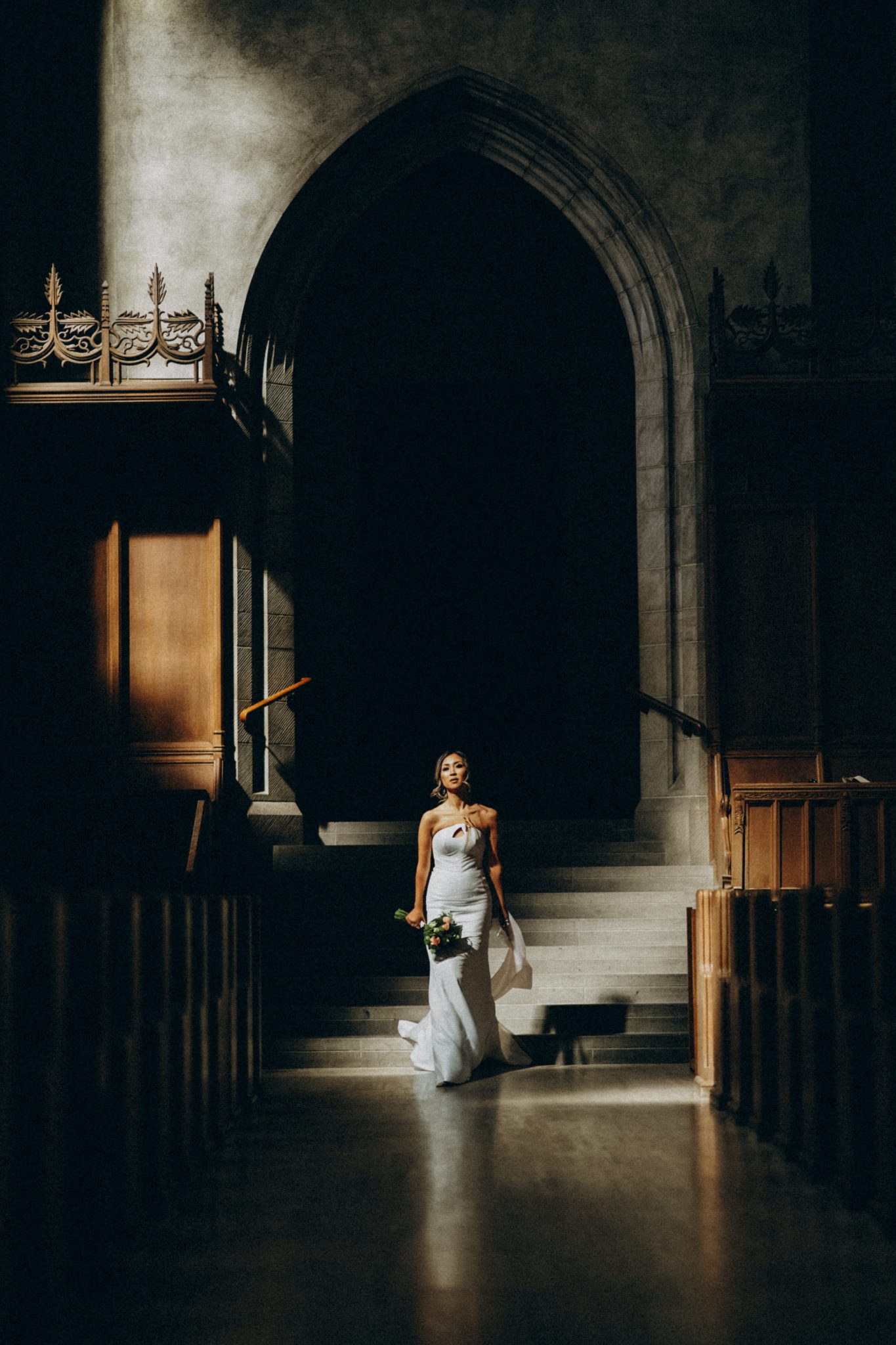
Our approach in Rome is to select and commit. For each wedding day, we identify two or three key architectural moments — the archway through which the couple first appears together, the fountain beside which they exchange their first toast, the terrace from which they look over the city — and we give these sequences the full cinematic treatment: deliberate camera movement, the right focal length, the exact light. Everything else is documentary: responsive, observational, real.
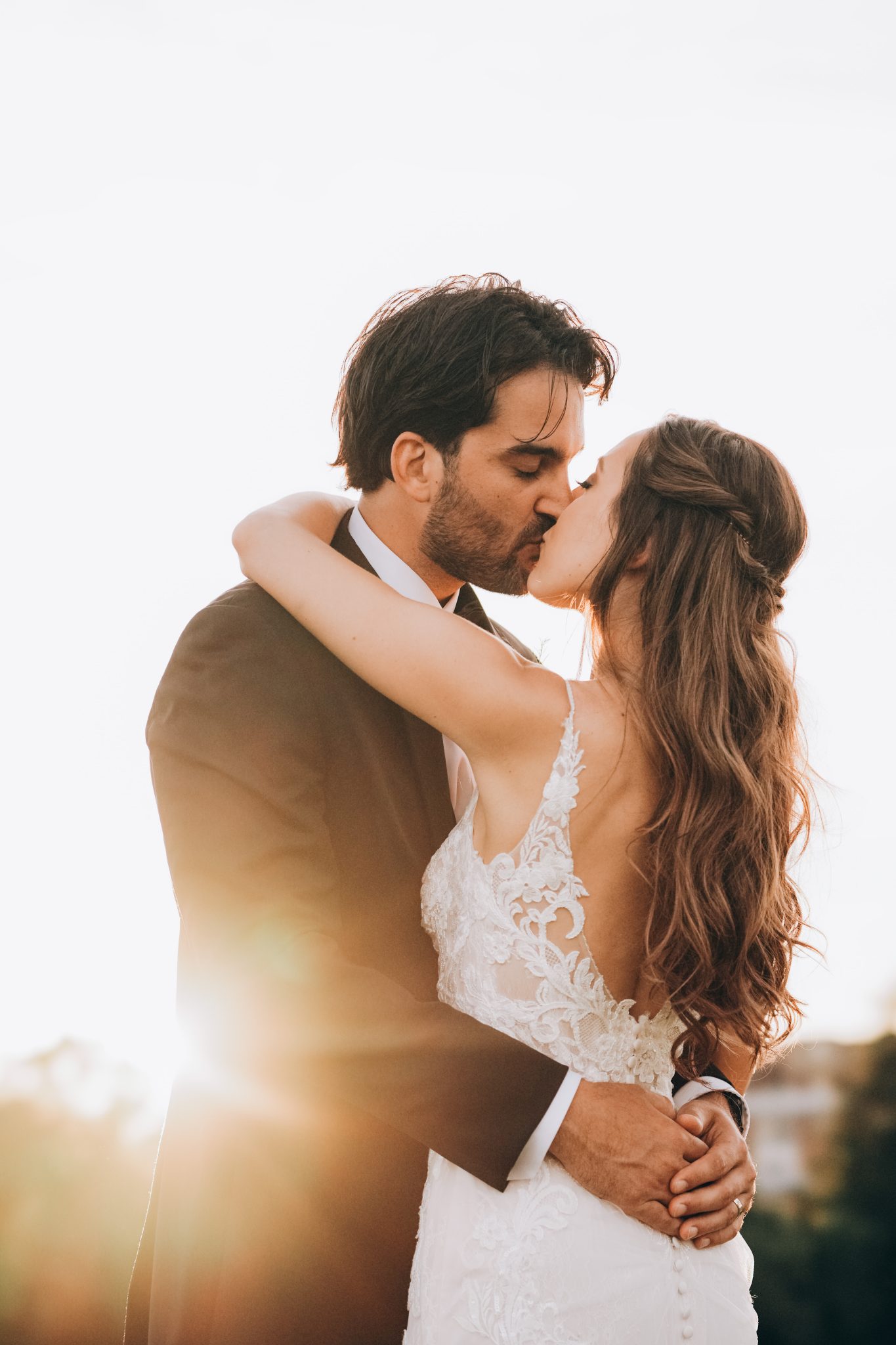
The light in Rome is specific to the hour in a way that rewards planning. The morning light on the Forum is cool and directional, raking across ancient stone and revealing every texture. By late afternoon, the light has warmed to amber and the entire city seems to be built from honey-coloured stone. At the blue hour — the twenty minutes after sunset — the sky above Rome turns an intense, saturated deep blue that produces one of the most beautiful colour palettes in natural photography and film.