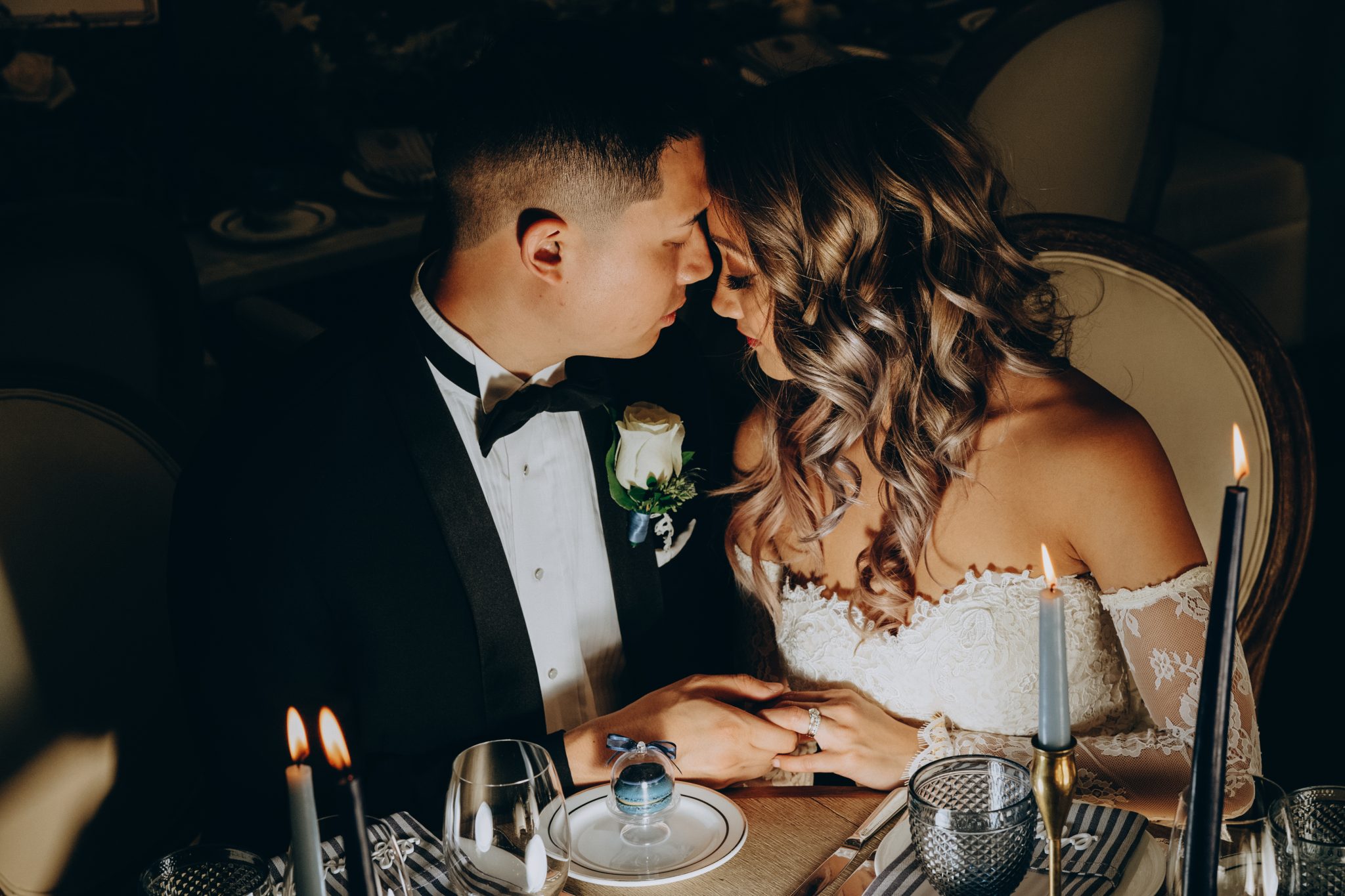
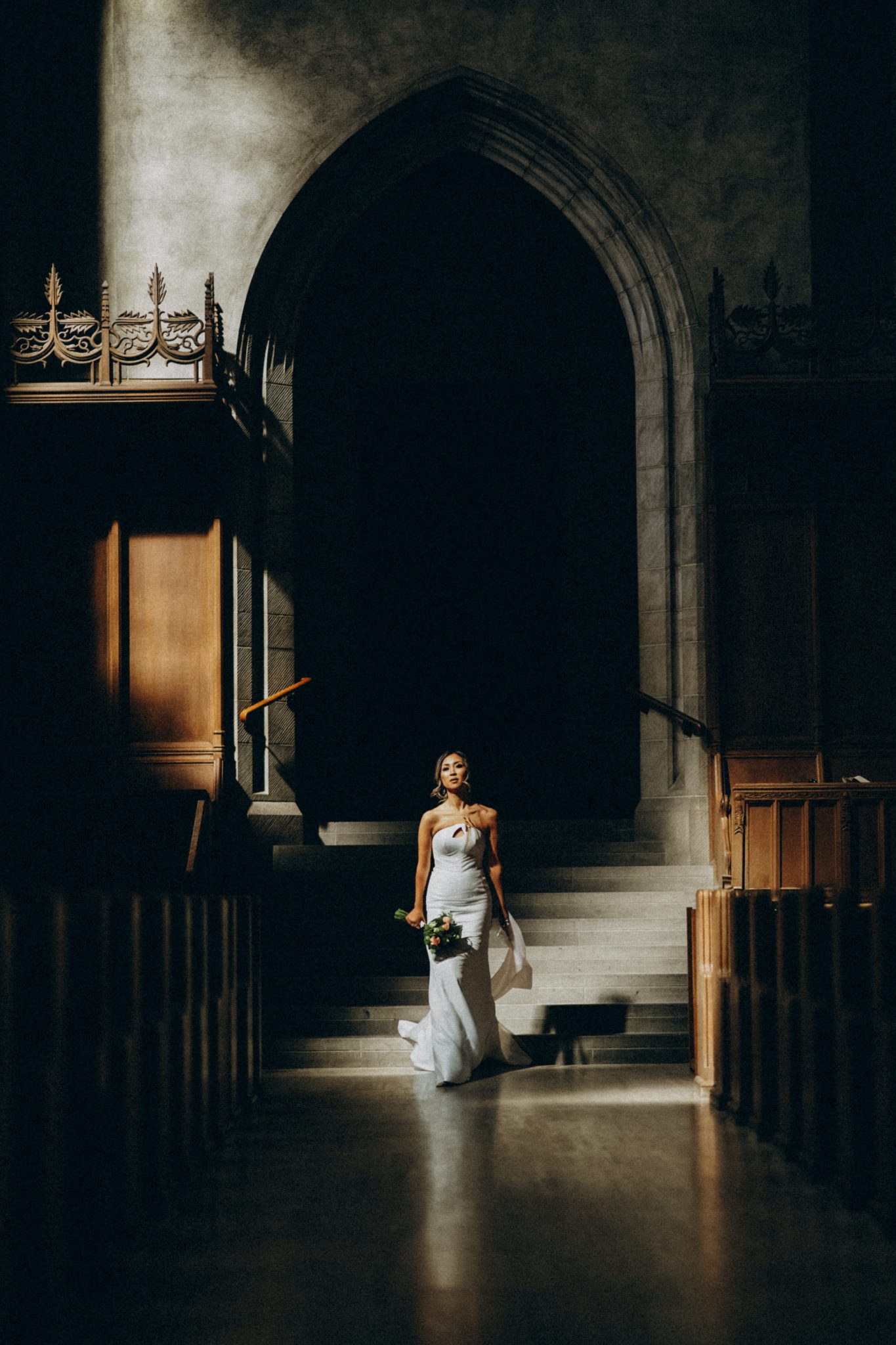
Umbria has a different quality of silence from Tuscany. The landscape is less manicured, the hills steeper and more forested, the medieval towns less visited and more genuinely lived-in. Filming here requires an approach that honours that authenticity — we do not impose a glossy production aesthetic on a landscape that rewards understatement.
The light in Umbria has a particular quality in late afternoon: the Apennine hills cast long shadows across the valleys, and the remaining lit surfaces — the hilltops, the stone church facades, the terrace of a farmhouse — glow with an intensity that the shadowed valley floor below makes more vivid by contrast. We schedule all exterior filming for this window.
The sound of Umbria is among the most cinematically distinctive in Italy. The silence is deep enough that individual sounds are audible at great distance: the bell of a church in the valley below, the bark of a farm dog, the combine harvester on a hillside two kilometres away. This deep ambient quiet makes vow recordings from Umbrian venues exceptionally clean and present — there is none of the tourist-crowd noise that can complicate audio in more famous Italian locations.
We work frequently in the hill towns of Spello, Montefalco, Bevagna, and Trevi, as well as the countryside estates between Assisi and Spoleto. Each town and each estate has distinct architectural character, and we adapt our approach accordingly — from the frescoed interiors of a Spello palazzo to the rough stone walls of a Bevagna farmhouse.